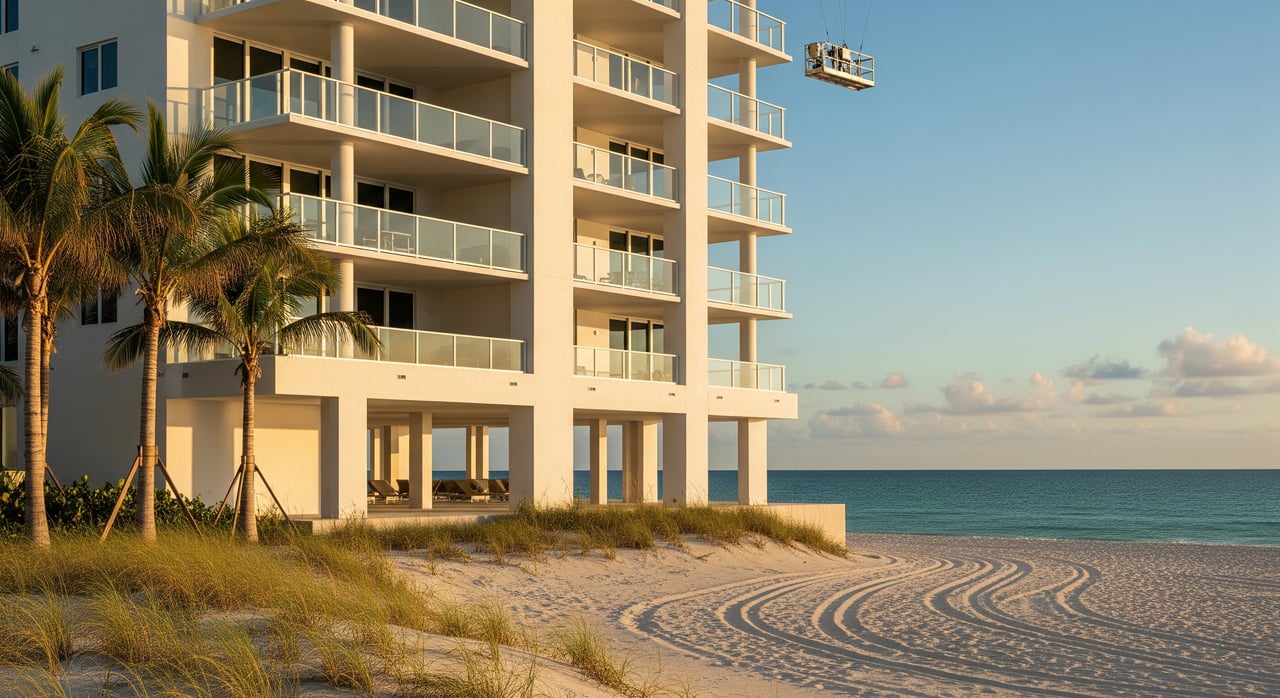
Are you eyeing a Marco Island condo with sweeping Gulf views and easy marina access? Before you fall in love with the balcony sunset, make sure you understand Florida’s condo milestone inspections and how they shape costs, timelines, and risk. If you are a seasonal buyer or retiree planning a waterfront lifestyle, this is essential homework. In the next few minutes, you will learn how the 25-year coastal rule works, what to request from the association, and how to read reserve studies like a pro. Let’s dive in.
Milestone inspections in Florida
Why Florida adopted them
Florida created milestone inspections after the 2021 Surfside collapse to identify structural and life-safety deterioration in existing condo and co-op buildings. The goal is to ensure buildings remain safe by evaluating structural systems, the building envelope, and key safety components. These inspections give owners and boards an objective picture of conditions and needed repairs.
When inspections apply on Marco Island
Timing is the key rule to understand. The initial milestone inspection is required when a building reaches its 30th year after the certificate of occupancy. If the building is within 3 miles of the coastline, the initial inspection is required at or before the 25th year. After the first inspection, the cycle repeats every 10 years. Because Marco Island is a barrier island, most waterfront and near-coast buildings fall within 3 miles of the coast, so the 25-year timeline commonly applies.
What inspectors look for
Milestone inspections are not quick visual walk-throughs. Licensed structural engineers or architects examine structural components such as columns, beams, slabs, and load-bearing walls. They also assess the building envelope and cladding, balconies and railings, roofs and accessible waterproofing, parking garage structures, and in some protocols, visible electrical life-safety elements.
Inspectors are looking for corrosion, cracking, spalling, delamination, deflection, and drainage failures. They also flag water intrusion and deterioration that often show up first in balconies, garages, and the roof system. Reports follow state-required formats, are prepared and signed by qualified professionals, and are made available to owners. If unsafe conditions are identified, the association must act, develop a repair plan, and may need to limit use of affected areas. Noncompliance can impact insurance, mortgages, and even transfers.
Reserve studies 101
What a reserve study is
A reserve study maps out the major common components that will require repair or replacement over time. Typical items include roofing, exterior paint and coatings, balconies, elevator equipment, parking structures, HVAC serving common areas, and where applicable, seawalls or other shore protection. The study estimates remaining useful life, current replacement cost, and recommends annual contributions so funds are available when work is due.
Key numbers to watch
- Reserve balance: the dollars currently set aside for capital projects.
- Percent funded: current reserves divided by the recommended reserve target for that year. A low percent-funded level, often below 30 to 50 percent, signals a higher risk of future special assessments, especially if large projects are on the near-term schedule.
- Contribution schedule: the recommended annual funding path. If the association’s budget contributes far less than the study recommends, expect either rising fees or special assessments when projects hit.
How milestone reports and reserves connect
A milestone inspection identifies current structural and envelope conditions and may include repair priorities and cost estimates. The reserve study is the long-term funding plan. If an inspection uncovers urgent structural needs that the reserve study did not anticipate, the association should update the study and adjust funding.
Coastal realities on Marco Island
Marco Island’s salt air, tidal influence, wind-driven rain, and strong sun accelerate wear. Salt exposure speeds up corrosion of rebar and metal components, including balcony railings and connectors. UV and moisture cycles degrade sealants, stucco, and coatings. Flooding and saltwater intrusion increase maintenance needs for garages, slabs, and electrical components. These factors often shorten the useful life of materials compared with inland buildings.
Many properties sit in flood zones where lenders require flood insurance. Elevation information can affect premiums, so request elevation certificates and recent elevation data. For major repairs such as roofs, structural restoration, or seawall work, expect Collier County permitting and inspections. Associations should retain milestone reports and follow local preferences for recordkeeping and compliance.
What to request before you buy
Ask for these documents early in your due diligence:
- Current milestone inspection report and any engineer or architect repair plans, budgets, and timelines.
- Most recent reserve study and the prior study, plus the current reserve balance and recent financial statements.
- Current operating budget and the most recent annual meeting budget approvals.
- Meeting minutes for the last 12 to 24 months for both board and annual meetings.
- Bids, contracts, and invoices for major projects such as roofing, exterior painting, balcony repair, waterproofing, garage remediation, and seawall work.
- Insurance certificates and declaration pages for property, liability, windstorm, and flood, including limits and deductibles.
- Building permits and completion certificates for recent major repairs.
- Litigation disclosures and any claims related to structure or association finances.
- The resale disclosure packet with required statements on reserves, assessments, and related matters.
How to interpret what you receive
If a recent milestone report exists
- Look for a clear list of defects and urgency rankings, with estimated costs and timelines.
- Confirm that the board has approved repair plans, has funding in place, and has a target start date.
- Check whether temporary stabilization is needed and if any use restrictions are in effect.
If the inspection is upcoming
- Ask for the scheduled date and the inspector’s credentials as a licensed engineer or architect.
- Confirm budgeted funds for the inspection and for likely near-term repairs.
- Review minutes for signs of delay or uncertainty about scope and funding.
Reading the reserve study
- Compare the percent funded to upcoming projects. Low percent funded with near-term projects is a red flag for special assessments.
- Check if the current budget follows the recommended contributions. If not, ask how the board plans to close the gap.
- Review useful life estimates for coastal items such as coatings, balcony repairs, and seawalls. Coastal exposure can shorten cycles.
Insurance clues
- Very high windstorm or flood deductibles can shift risk to owners.
- Trouble obtaining coverage or frequent policy changes can signal financial stress or unresolved building issues.
Timelines, costs, and financing
What to expect on timing
Associations often face a narrow compliance window near a building’s anniversary. If a milestone inspection identifies urgent issues, temporary measures may be required within weeks, with permanent repairs planned over months. Large repairs in coastal buildings often run on multi-year timelines because of permitting, contractor availability, and funding.
Cost ranges you might see
Costs vary widely with size, access, and scope. Smaller tasks such as sealant replacement or patching can be in the low thousands to low tens of thousands. Balcony remediation or extensive waterproofing can range from tens of thousands to several hundred thousand dollars for larger buildings. Concrete restoration or garage repairs for multi-building associations can reach hundreds of thousands to millions. The milestone inspection and a reserve study themselves are modest compared to repair work, though larger or more complex buildings will see higher consulting fees.
How associations fund repairs
Funding paths usually include special assessments, increased regular assessments, or association-level loans that add monthly debt service. Ask whether any loans are outstanding and how prior assessments were collected. Large unresolved structural issues or inadequate insurance can limit mortgage availability for buyers and may raise borrowing costs for associations.
Red flags to watch
In the paperwork
- A milestone report that lists multiple immediate or unsafe conditions without a funded plan.
- A reserve study showing very low percent funded with big projects due within one to five years.
- Minutes showing repeated deferrals, contractor disputes, or reduced reserve contributions.
- Large recent assessments without completion proof or warranty documentation.
- Difficulty obtaining insurance or unusually high deductibles.
On-site conditions
- Spalling concrete, exposed or rusting rebar, cracked or sagging balcony slabs.
- Persistent water intrusion in corridors, garages, or ground-floor areas.
- Rusted balcony railings, connectors, or evidence of severe efflorescence.
Negotiation strategies if issues appear
- Request a price reduction, credit, or escrow for known repairs.
- Require copies of bids and contracts with scope, schedule, and warranty details.
- Consider delaying closing until an engineer reviews recent findings or the milestone report is finalized.
Practical checklist for Marco Island buyers
- Confirm whether the building falls under the 25-year coastal milestone rule and ask for the inspection status.
- Obtain the milestone report, reserve study, budget, minutes, insurance documents, and permits for recent work.
- Review the reserve percent funded, near-term project list, and actual contributions in the budget.
- Expect coastal wear to raise both frequency and cost of maintenance compared to inland buildings.
- Include wind and flood insurance in your total housing cost and ask for elevation documents.
- Build room in your budget for possible assessments, especially in older waterfront properties.
Work with local specialists
Waterfront living is about lifestyle and logistics. On Marco Island, that includes the condition of balconies and garages, the resilience of coatings and waterproofing, and in some communities, seawalls and shore protection that matter to boaters. It also includes association health, insurance strategy, and the timing of milestone and reserve updates. You deserve a team that can combine condo due diligence with marina-level insight and a calm, concierge process.
If you are weighing a waterfront condo or a marina-adjacent lifestyle, connect with local pros who live this every day. Bring in a coastal-experienced structural engineer if a report raises questions, and lean on a real estate advisor who understands association documents, reserve funding, and the rhythm of Collier County permitting.
Create Your Paradise. Start your waterfront search with The Sprigg Group. Our marina-based team pairs deep local knowledge with white-glove guidance from offer to closing.
FAQs
What is a Florida condo milestone inspection near the coast?
- It is a state-required structural and building envelope evaluation that must occur at or before year 25 for buildings within 3 miles of the coastline, then every 10 years.
How do reserve studies affect monthly condo fees on Marco Island?
- The study sets recommended annual contributions; if the association underfunds reserves, expect higher fees or special assessments when projects come due.
What documents should a buyer request from a Marco Island condo association?
- Ask for the milestone report, reserve study and reserve balance, budgets, recent minutes, insurance certificates, permits for major work, contracts, and litigation disclosures.
How do flood zones and elevation impact insurance for coastal condos?
- Many buildings sit in flood zones where lenders require flood insurance; elevation data can influence premiums, so request elevation certificates.
What are signs of costly concrete restoration in coastal buildings?
- Spalling concrete, exposed or corroded rebar, cracked balcony slabs, water intrusion in garages, and rusted railings indicate potential high-cost repairs.
Who pays special assessments when buying or selling a Florida condo?
- Associations set terms case by case; ask whether assessments are due, how they are collected, and if any loans or payment plans will carry over after you close.