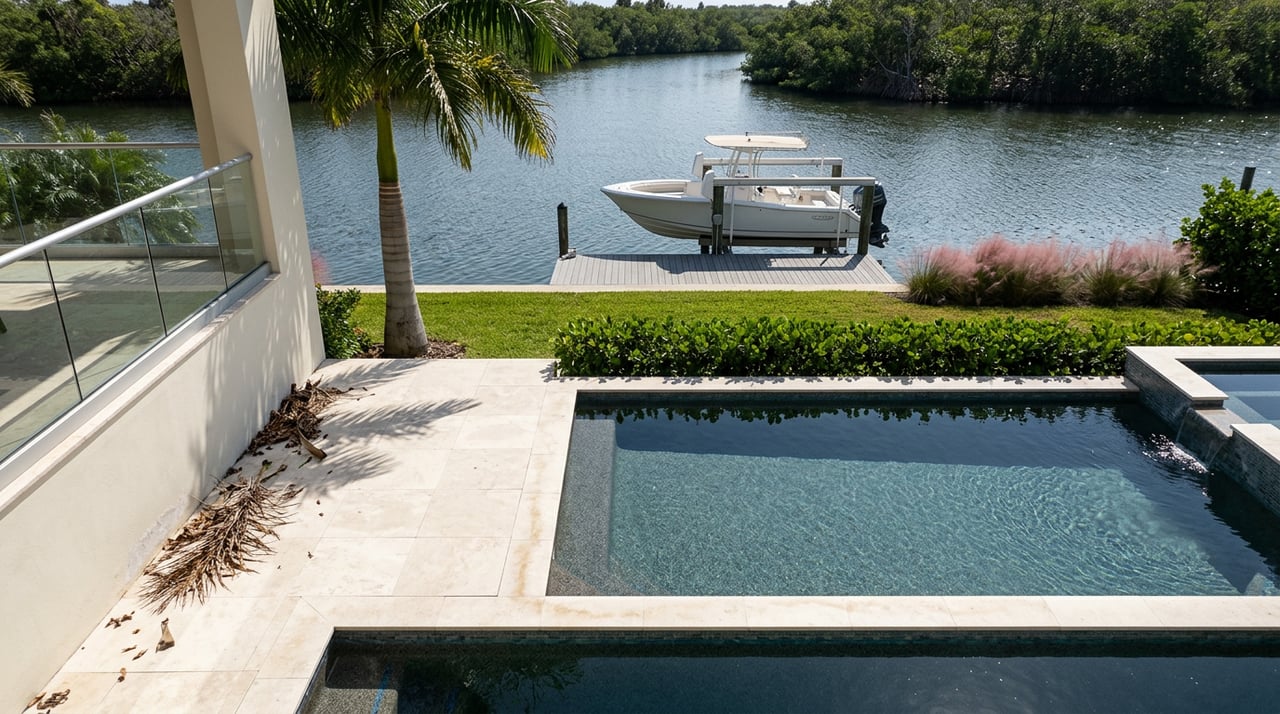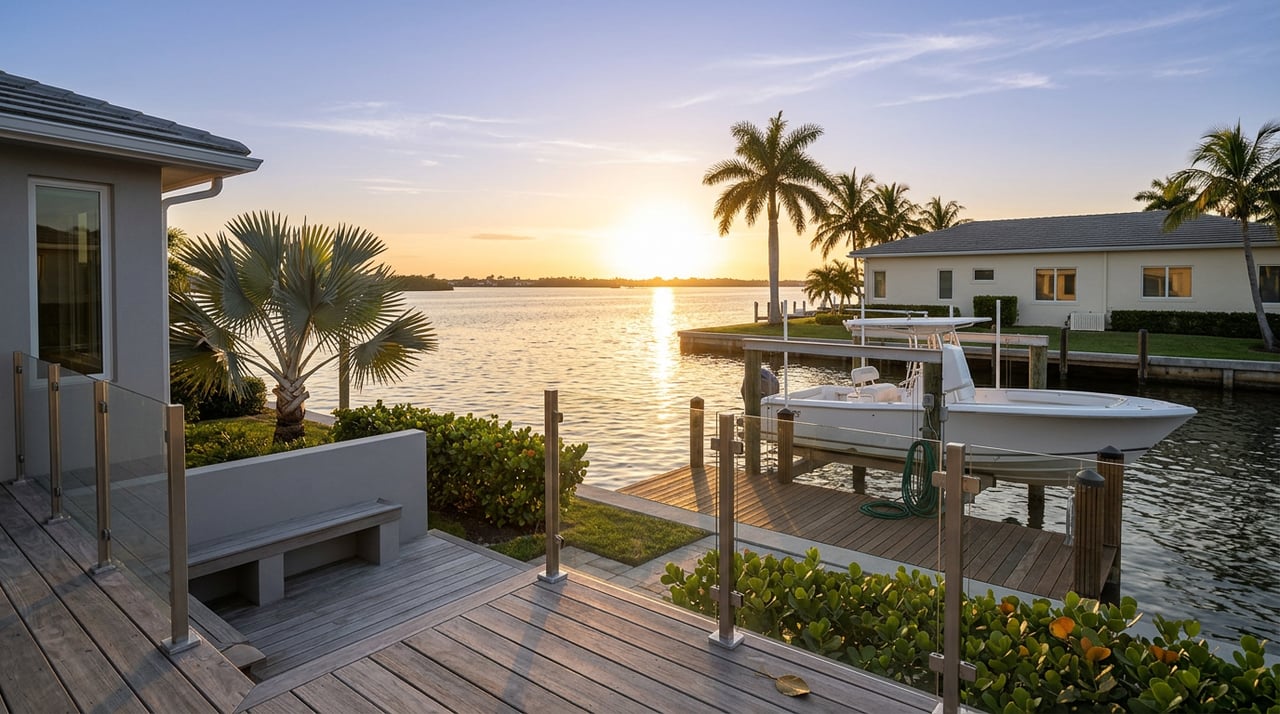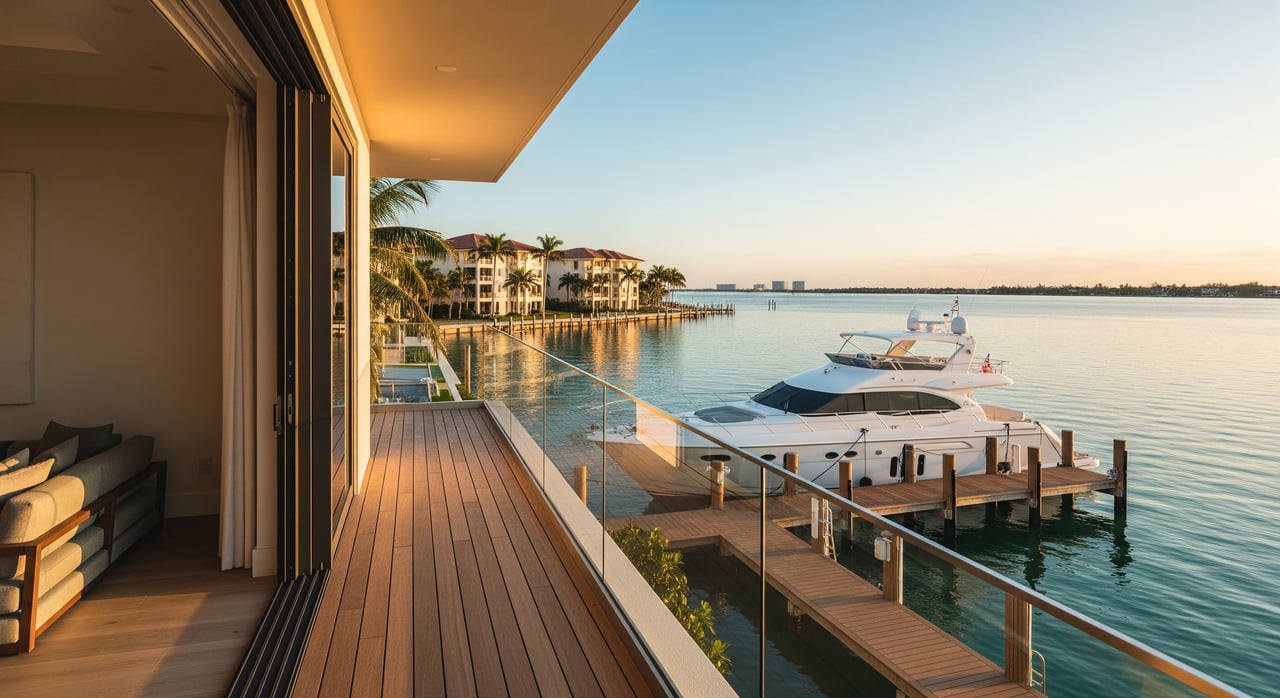
You found the ideal Naples condo with a boat slip, but the financing feels more complex than open-water navigation. You are not alone. Waterfront condos with slips come with unique rules that lenders, appraisers, and insurers examine closely. In this guide, you’ll learn exactly how slip ownership affects your loan options, what documents underwriters will request, how appraisers value marine features, and the steps that keep your closing on course in Collier County. Let’s dive in.
Know your slip’s legal status
Before you talk numbers, confirm how the boat slip is owned and recorded. Lenders base eligibility and collateral on the slip’s legal status, and it can make or break your loan.
- Deeded appurtenant slip: The slip is recorded with the condo unit or specifically assigned in the master deed. This is usually the smoothest path because lenders can include it as real property collateral.
- Assigned or allocated slip: You have exclusive use, recorded in the condo documents, but no separate deed. Lenders will review the declaration to confirm the right is attached to the unit and transferable.
- Leased slip: The slip is leased from the association, municipality, or a third party. Many lenders treat this as non‑real property and may exclude it from collateral or require extra documentation. If the lease is short or non‑assignable, eligibility can be a problem.
- Common element slip: The slip is a common element and may be subject to assignment rules. Lenders will scrutinize how the right transfers at sale and any limitations on use.
Why status matters to your mortgage
Your lender needs confidence that the slip transfers with the unit and that the mortgage will attach to it when applicable. Deeded or properly recorded exclusive-use rights are typically easiest. Leases or unclear documentation can trigger delays, extra conditions, or denials. Confirm the slip’s status in the deed, declaration, and any separate dock agreements before you write an offer.
Pick the right loan route
Waterfront buyers in Naples often choose between several financing paths. The best fit depends on the project’s eligibility, the slip’s legal status, the loan size, and how you plan to use the condo.
- Conventional (Fannie Mae / Freddie Mac): A common choice for second‑home and out‑of‑state buyers. Lenders will evaluate the condo project for factors like owner‑occupancy, commercial space, reserves, and litigation. Coastal properties may face additional lender overlays. If the slip is deeded with the unit, it can often be included in collateral; if it is leased or only an assigned right, expect more scrutiny.
- Portfolio and jumbo loans: Local and regional banks, as well as some jumbo lenders, can be more flexible with marine features and unique condo documents. Underwriting is often case by case, which can help when agency standards are too rigid.
- FHA / VA: These programs have stricter condo project requirements and require project approval. Many coastal condos do not meet FHA criteria. VA can work for eligible borrowers, but the condo still needs VA approval.
- Cash or private financing: When agency programs will not approve the project or slip status, cash buyers or private lenders step in. Expect higher rates and shorter terms with private funds.
- Home equity / HELOC: If you have equity in another property, a HELOC can be an option. Factor in flood and wind insurance considerations for the Naples condo before proceeding.
Occupancy affects terms
- Primary residence: Often the most flexible underwriting and lower rates.
- Second home: Common in Naples and typically feasible, but coastal risk, insurance, and rental restrictions can influence approval.
- Investment property: Higher down payments and rates, plus tighter condo project standards.
What lenders will ask for
Expect a thorough project review. Your lender will likely request a completed condo questionnaire and supporting documents that address the building and the slip.
- Condo questionnaire: Owner‑occupancy ratio, rental policies, HOA delinquency rates, pending litigation, insurance coverage and deductibles, reserve balances, and any commercial space.
- Governing documents: Declaration/master deed, bylaws, and rules describing how slips transfer or are assigned.
- HOA financials: Current budget, balance sheet, reserve studies or balances, and recent meeting minutes, especially around special assessments.
- Insurance details: Association master policy, scope of wind/hurricane and flood coverage, and deductible amounts. Lenders want to know whether unit owners can be assessed for master policy deductibles.
- Slip agreements: Any separate dock deeds, leases, maintenance obligations, transfer fees, and dock rules.
Strong reserves and clear funding for seawall, dock, and marine maintenance matter in coastal Naples. Associations with low reserves or large pending assessments often face lender overlays or declines.
Appraisal and dock evaluations
Appraising a condo with a slip is more nuanced than a standard unit. The appraiser will document the slip’s status and condition and look for comparable sales.
- When the slip is deeded: The appraiser includes it in the legal description and will seek comps with similar slip ownership. If comps are limited, they may supplement with a cost approach for marine improvements or consider income data when slips are commonly leased to third parties.
- What gets inspected: Dock, pilings, decking, boatlift, electrical, and seawall or breakwater. Expect comments on water depth, access to open water, maintenance requirements, and recorded restrictions that limit vessel size or use.
- Common challenges: Limited comparable sales, evolving insurance costs, and repairs to marine structures after storms can affect value and timing.
Extra inspections to order
Marine elements deserve their own due diligence. Consider adding these to your inspection window:
- Marine/dock inspection: Condition of pilings, fasteners, decking, lift, and electrical; notes on safety and code compliance.
- Seawall inspection: Structural integrity and repair history, often critical in South Florida.
- Permit history review: Confirm permits for docks, lifts, and seawalls with Collier County and, where applicable, Florida environmental authorities.
Insurance, flood, title, and permitting basics
Coastal location adds essential risk management steps to your loan file. Start early to avoid last‑minute surprises.
- Flood risk and insurance: Naples includes Special Flood Hazard Areas. Lenders require flood insurance when FEMA maps show SFHA exposure, and some lenders require it even outside SFHAs for coastal properties. Compare National Flood Insurance Program quotes with private market options if your lender permits.
- Wind/hurricane coverage: Your lender will require evidence of hazard and wind coverage from an acceptable carrier. High deductibles or limited coverage can complicate approval. Understand how master policy deductibles are handled and whether unit owners have been assessed in the past.
- Title and recording: Verify the slip’s status in the recorded documents. If a separate dock deed is needed, ensure the mortgage will attach to it. Confirm any easements or access rights are recorded and transferable.
- Permitting and environmental: Marine structures in Florida typically require permits at the county and possibly state level. Unpermitted docks, lifts, or seawalls can create insurance and title issues. Environmental constraints, including mangrove protections, can affect future repairs or replacements.
Timeline and remote closing tips
Out‑of‑state buyers should allow extra time for project and marine reviews. A smooth closing depends on ordering the right items early.
- Typical items and timing: Condo questionnaires can take 1 to 4 or more weeks. Appraisals that analyze the slip may need additional commentary. Your insurance binder must show required wind and flood coverage and deductibles. Title commitments must confirm the slip is included when applicable.
- Underwriting reactions: If the association has low reserves, litigation, or large special assessments, the lender may require more borrower reserves, a higher down payment, or decline the loan.
- Remote options: Many Florida transactions can be completed with electronic or remote notarization, subject to lender and title company policies. If the appraiser or inspector notes minor dock items, ask your lender about escrow holdbacks to keep the closing on schedule.
Your step-by-step roadmap
Use this checklist to keep the process efficient and organized.
Before you write an offer
- Confirm the slip’s status in the MLS and by requesting the deed, legal description, or relevant condo documents.
- Ask for the declaration, bylaws, and any slip rules to verify transferability and maintenance obligations.
- Get a preliminary flood zone determination and early wind and flood insurance quotes.
- Speak with lenders experienced in Naples waterfront condos to confirm acceptance of the slip’s status and project eligibility.
After you are under contract
- Order the appraisal and advise that the dock and slip must be addressed in the report; add a marine/dock inspection and seawall review.
- Have the title company confirm the slip’s inclusion and provide a title commitment reflecting it.
- Obtain the completed condo questionnaire and association financials as soon as possible.
- Secure the insurance binder showing required coverage and deductibles that meet lender standards.
- If inspections or permits reveal issues, negotiate escrow holdbacks or seller repairs to protect your closing timeline.
Common pitfalls to avoid
- Slip is leased, non‑assignable, or has a short remaining term.
- Association reserves are inadequate or large special assessments are pending for docks or seawalls.
- Marine structures are unpermitted or the slip is inconsistently recorded in title documents.
- Association litigation related to docks, seawalls, or insurance claims.
- Lack of acceptable wind or flood insurance options.
- Appraisal cannot support price due to limited comparable sales with deeded slips.
Why work with a marina-based team
Financing a Naples condo with a slip is part real estate and part marine operations. You benefit from a team that speaks both. With deep marina knowledge, relationships across local lenders, title professionals, insurance agents, and marine inspectors, and hands‑on experience with slip documentation and permitting, you can move decisively and keep surprises to a minimum. If you are purchasing from out of state, a concierge approach that coordinates documents, inspections, and remote closing options can save you weeks and reduce stress.
Ready to combine your waterfront lifestyle with smart financing? Connect with The Sprigg Group to align the right property, slip, and loan strategy for your goals. Create Your Paradise — Start Your Waterfront Search with The Sprigg Group.
FAQs
What loan types work for Naples condos with deeded boat slips?
- Conventional loans are common if the project is eligible and the slip is deeded; portfolio or jumbo programs can be alternatives when agency standards do not fit.
How does a leased slip affect mortgage approval?
- Many lenders treat leased slips as non‑real property, which can limit collateral and trigger extra documentation or ineligibility, especially if the lease is short or non‑assignable.
What inspections should I order for the dock and seawall?
- A marine/dock inspection and a seawall inspection are recommended, along with a permit history check for the dock, lift, and seawall.
Do I need flood and wind insurance for a Naples condo with a slip?
- Lenders require flood insurance in Special Flood Hazard Areas and typically require wind coverage; even outside SFHAs, coastal lenders may still require flood.
How long can condo questionnaires and underwriting take?
- Condo questionnaires often take 1 to 4 or more weeks, and underwriting may add time for slip documentation, insurance review, and appraisal addenda.
Can I finance as a second home and still use the slip?
- Yes, many buyers use second‑home financing, but project eligibility, slip status, and insurance considerations must meet lender requirements.