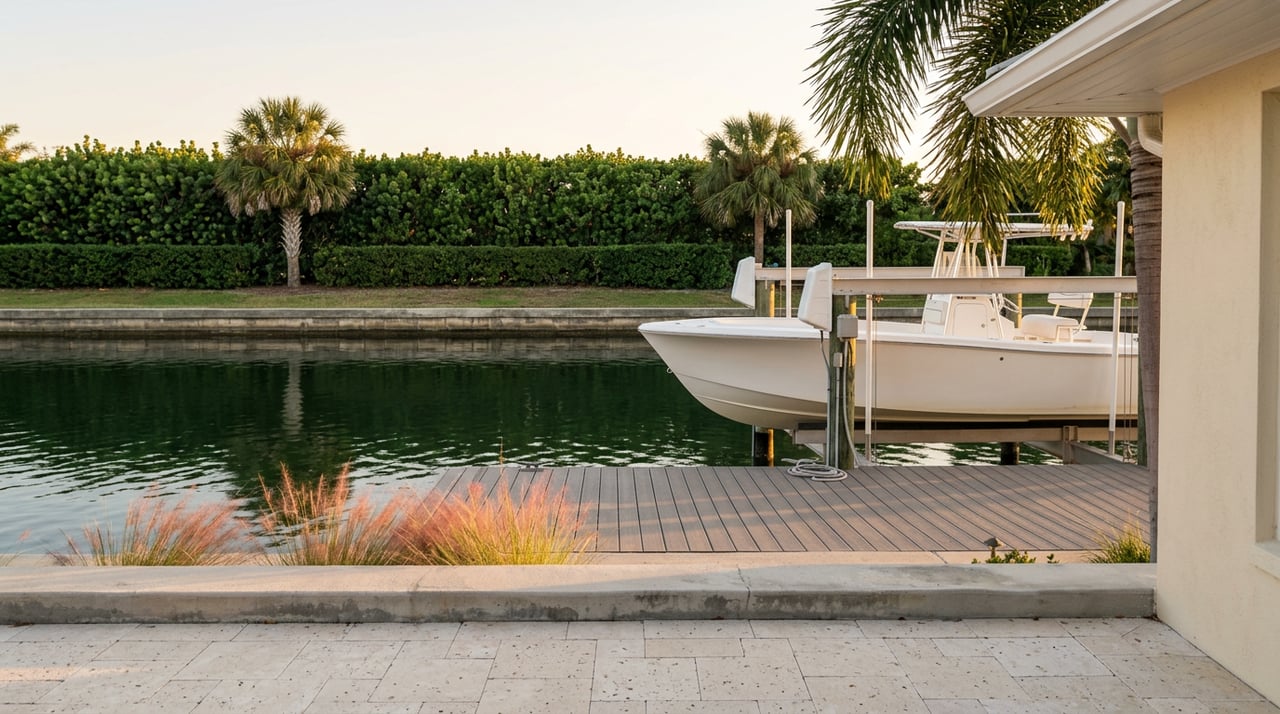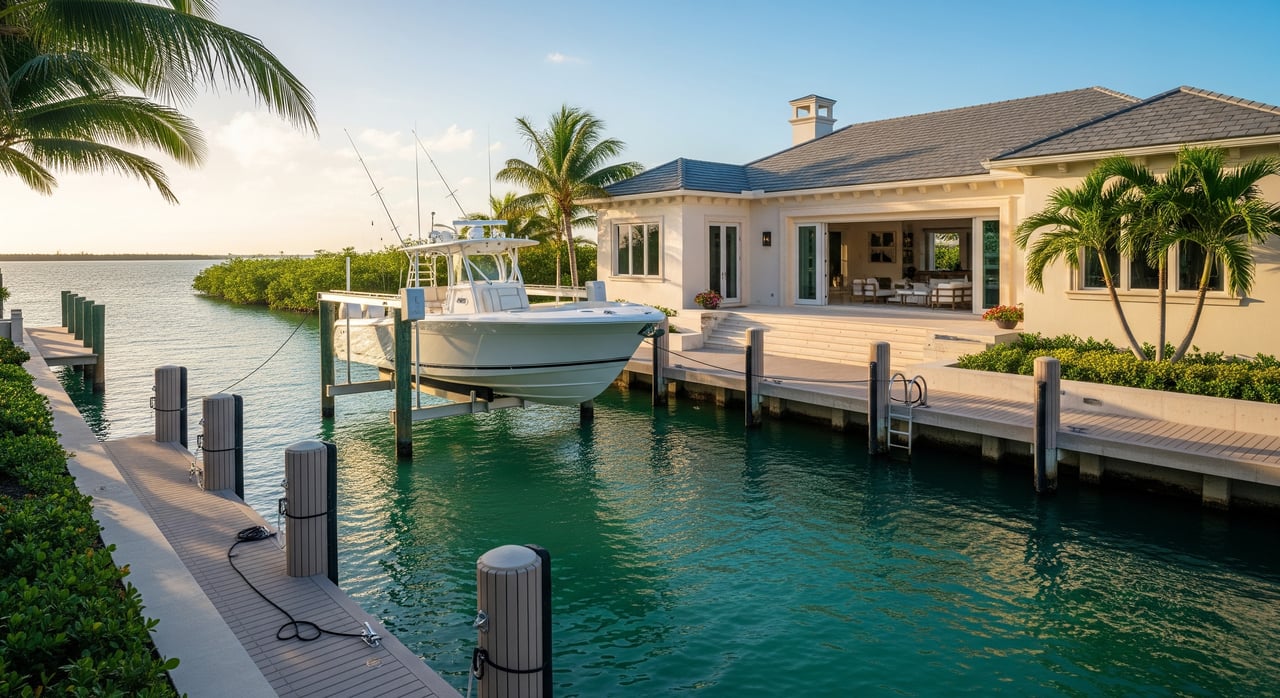
Picture yourself casting off at sunrise, skimming past mangroves, and reaching the Gulf in time for the bite. If you love boating, Marco Island puts world-class water at your doorstep. The real question is how you want to live it day to day: in a condo with slip access or at a single-family home with a private dock. In this guide, you’ll compare ownership rights, rules, costs, and lifestyle trade-offs so you can choose the fit that matches your boat and your routine. Let’s dive in.
Marco Island boating realities
Marco Island’s canals and inlets connect you to the Gulf, the Marco River, and the Ten Thousand Islands. Your route, bridge clearance, and channel depth matter, especially if your boat has more draft or a tall profile. Some canals favor smaller or shallow-draft vessels due to shoaling, and travel time to open water varies by location. Storm surge and flood history also influence how docks, lifts, and seawalls perform over time.
You are boating beside protected estuaries and sensitive seagrass areas. Local markers, speed zones, and seasonal restrictions help safeguard wildlife and habitats. Expect oversight by city, county, and state agencies, with on-water enforcement to keep navigation safe.
Ownership: condo slips vs. private docks
Deeded vs. assigned slips
A condo slip can be a deeded limited common element tied to a unit, or an assigned slip controlled by the association. Deeded use is usually stronger on transfer, but it can still be subject to state rules and association covenants. Assigned slips may have waitlists, size limits, and guest-use policies that change with board decisions. Confirm what you have in writing and how it conveys on resale.
Association rules that matter
Condo documents often set boat length, beam, draft, and horsepower limits. They also cover transferability of slip rights, whether renters can use slips, guest docking, hours of operation, and fees for utilities or pump-out. Even when a slip is deeded, the association may control maintenance access, assessments, and repair schedules. Always review declarations, bylaws, and recent meeting minutes before you commit.
Riparian rights and submerged lands
Florida recognizes riparian rights for waterfront owners, but structures over sovereign submerged lands typically require state authorization. A deeded dock does not bypass permitting. If a dock system spans common areas, even a deeded interest may live within association governance for use and repairs.
Maintenance, permits, and insurance
Who maintains what
With condo or association-managed docks, the association generally handles structure maintenance, lighting, and shared utilities. Owners pay through HOA fees and special assessments, while lifts or personal gear may be the owner’s responsibility. At single-family homes, you usually carry full responsibility for docks, lifts, and the seawall along your frontage. If a seawall connects to neighbors, there can be shared obligations depending on local rules and any community governance.
Permits you may need
Dock construction or major repairs typically require city or county building permits and environmental authorization from state agencies. Projects that affect navigable waters or wetlands can trigger federal review. Seagrass protection and coastal setbacks can shape design, placement, and timing of work, and some approvals include mitigation.
Insurance and risk
Waterfront owners often carry homeowners, flood, and boat insurance. Docks and lifts are not always fully covered under a standard homeowners policy, which can require endorsements. Flood zones and elevation certificates drive lender requirements and premiums. Many owners also consider umbrella liability coverage, especially where guest use or shared docks increase exposure.
Lifestyle and access differences
Convenience and control
Condo living can feel turnkey if you prefer shared infrastructure and someone else managing repairs. Many communities offer helpful marine conveniences, which can reduce your to-do list. A single-family home gives you more control over design, lift choice, and access. Frequent boaters or larger-vessel owners often value that flexibility, as long as the water depth and channel support their boat.
Privacy and noise
Condo docks concentrate activity. That can be a plus if you enjoy a social marina vibe and meeting neighbors. Private docks typically offer more privacy and a calmer rhythm, though canal traffic varies by location. Your comfort level around activity should guide the choice.
Boat size and channel limits
Condo rules may cap length, beam, or draft, regardless of canal depth. In both condos and homes, the canal’s depth, width, and bridge clearance set hard physical limits. If you are upsizing your vessel, confirm your route at varying tides and understand any dredging history or responsibilities. Future plans for your boat should inform what you buy today.
Guests and rentals
Many associations restrict slip use by short-term renters or guests. If you plan seasonal rentals, confirm whether the slip conveys to renters and for how long. Single-family homes can be more flexible, but local ordinances and lease terms still apply. Clear rules protect you from surprises and help preserve value at resale.
Cost considerations to budget
- HOA or condo dues that include dock upkeep and reserves
- Special assessments for seawalls, dock replacement, or storm repairs
- Dock lift purchase, service, and electric
- Dredging or shoaling management where applicable
- Pump-out, waste handling, and fuel costs if offered
- Insurance premiums and deductibles across home, flood, and boat policies
Which option fits your boating profile?
- Daily boater with a larger vessel: A single-family home with a private dock often fits best for control and boat size flexibility. Validate depth, channel, and permits, and be ready for maintenance responsibility.
- Occasional or seasonal boater: A condo with association-managed docks simplifies upkeep. Verify slip dimensions, transfer rules, and any waitlist.
- Investor or short-term landlord: Confirm rental policies, whether slips convey to renters, and how rules affect marketing. Predictability can drive stronger occupancy and resale.
- Storm-risk sensitive buyer: Focus on seawall condition, dock age, repair records, flood history, and association reserve strength.
Due-diligence checklist for buyers
- Is the slip deeded, a limited common element, or association property, and how is it documented?
- If deeded, does it convey as an appurtenant right, and are there easements or leases on record?
- What are the exact size and horsepower limits, and do they fit your current and future boat?
- Are permits available for the dock, lift, and seawall, including prior repair approvals?
- What is the age and condition of pilings, decking, lifts, and the seawall? Any recent engineering or elevation reports?
- How healthy are association reserves for marine structures, and are special assessments pending or recent?
- Any active claims, enforcement actions, or violations tied to the marine facilities?
- Flood claims history and elevation certificate availability for insurance planning
- Who manages channel access or dredging and how are costs shared?
- Policies on liveaboard status, overnight guests, fueling, and tenant use of slips
- If seawalls adjoin neighbors, are there shared responsibilities for repair?
Red flags to investigate
- Missing or expired permits for docks or lifts
- Underfunded reserves and repeat special assessments for marine infrastructure
- Slip rights that cannot transfer on sale or depend on board re-approval
- Shoaling or tight bridge clearances that limit your intended boat size
Why work with a marina-based team
Waterfront decisions blend real estate, vessel logistics, and marine governance. You deserve guidance that covers your route to the Gulf, your boat’s specs, and the fine print in condo documents and permits. Based at Rose Marina, our team brings on-the-dock perspective and the ability to align property, slip, and yacht choices in one plan. That means fewer surprises and a faster path from offer to first launch.
Ready to compare specific condos and homes that suit your boat, your tides, and your lifestyle? Reach out to The Sprigg Group for personalized guidance from a marina-based, concierge team. Create Your Paradise — Start Your Waterfront Search.
FAQs
What is the difference between a deeded slip and an assigned slip on Marco Island?
- A deeded slip typically conveys an exclusive property right that transfers with the unit or home, while an assigned slip is controlled by the association and may be subject to waitlists, size limits, and policy changes.
Can a deeded dock bypass state or local permits in Florida?
- No. Even with a deeded dock or limited common element, construction and major repairs generally require city or county building permits and state authorization where submerged lands are involved.
How do flood zones affect insurance for waterfront owners on Marco Island?
- Many waterfront properties require flood insurance for loans, and elevation certificates help determine premiums; docks and lifts may need separate endorsements beyond a standard homeowners policy.
Are liveaboards allowed at condo docks on Marco Island?
- Many associations and local rules restrict or prohibit liveaboard status; always confirm specific condo documents and any local ordinances before planning overnight stays on your vessel.
What should I ask about seawalls when buying a waterfront home on Marco Island?
- Ask for age, condition, recent inspections, repair permits, and whether responsibilities are shared with neighbors or governed by a community entity; seawall failure can be costly.
How do canal depth and bridge clearance limit boat size in Marco Island canals?
- Physical constraints like shoaling, depth at various tides, channel width, and fixed bridge clearance can cap length, beam, draft, and height, so verify your route for your current boat and any planned upgrades.