Buying a Marco Island waterfront home from out of town can feel exciting right up until the closing details start stacking up. Flood zones, insurance timing, seawall history, dock permits, and final signing logistics all matter more when you are purchasing remotely and trying to protect both your timeline and your investment. The good news is that with the right local support and a clear plan, you can move forward with confidence. Let’s dive in.
Why remote waterfront closings need extra planning
A remote closing for a waterfront property is not just a standard purchase done by email. On Marco Island, the details tied to flood risk, coastal improvements, and insurance can affect both cost and timing.
The Consumer Financial Protection Bureau recommends researching disaster risk, comparing insurance costs, and working with an agent who understands the property type and area. For waterfront buyers, that advice is especially important because homes near canals, docks, and shorelines often come with extra records and questions to verify before closing.
Start with remote property verification
Before you commit, make sure you have a current and thorough picture of the property. A live video tour, updated photos, and a clear documentation package can help you verify condition when you cannot be there in person.
According to Fannie Mae’s home inspection overview, inspectors typically review the roof, foundation, walls and ceilings, windows, electrical, central air, structural components, attic and insulation, and plumbing. For a Marco Island waterfront home, you will also want clear documentation on waterfront access, the seawall, dock, windows, HVAC, plumbing, roof condition, and any visible signs of water intrusion.
Ask for local records early
Do not wait until the final week to pull records. Early record checks can reveal issues that affect insurance, permitting, or repairs.
The Collier County Property Appraiser provides legal descriptions, ownership tax maps, and property assessment information. Collier County floodplain resources also provide flood-zone information, base-flood data, and elevation certificate searches, which can be critical for waterfront due diligence.
Review seawall and dock history
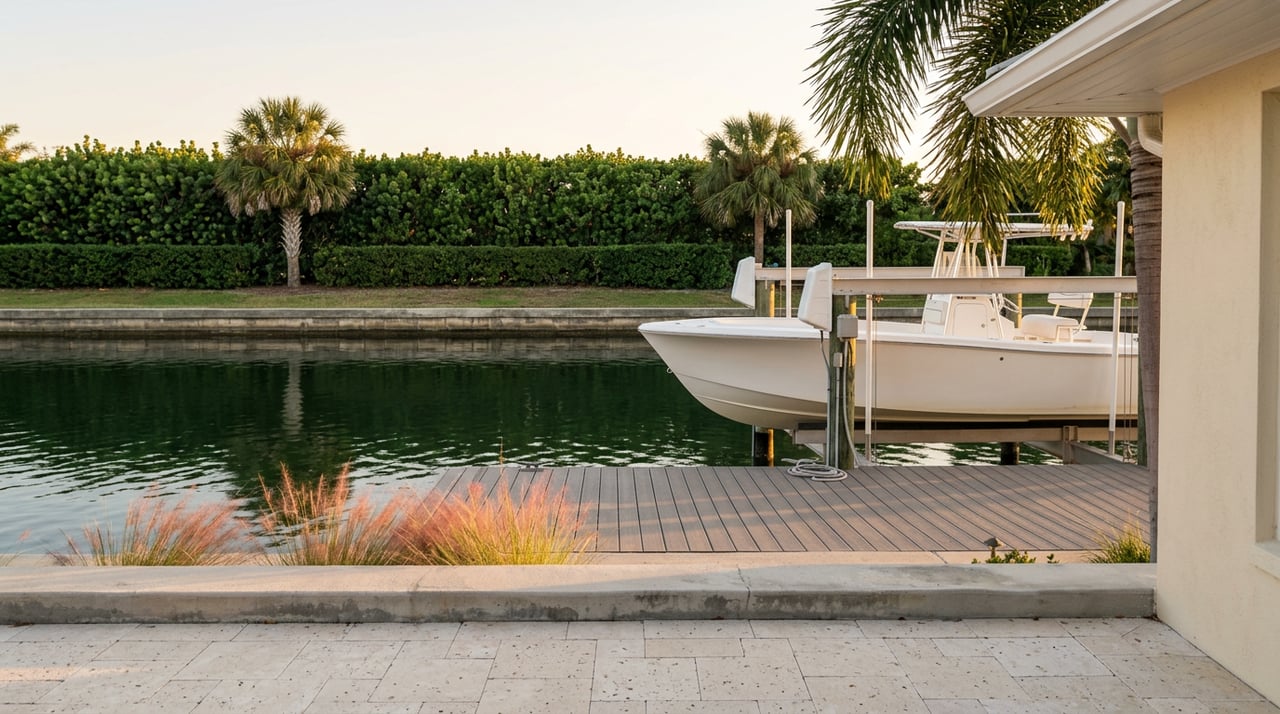
For many waterfront buyers, the shoreline features are just as important as the house itself. If the property includes a dock, seawall, or other shoreline improvements, ask for the work history and any related permits.
Collier County notes that seawall work and other floodplain-related improvements may require review before a development permit is submitted. In coastal areas, the Florida Department of Environmental Protection’s coastal construction program also regulates certain work that can affect beaches, dunes, upland properties, and public access.
Check flood risk and insurance early
One of the biggest mistakes remote buyers make is assuming insurance can be handled at the end. Waterfront insurance needs to be part of your early checklist, not a last-minute task.
The CFPB advises buyers to look up disaster risk and compare insurance availability and cost. It also recommends asking whether a property has previously flooded or been damaged, which is an important question for any coastal purchase.
Do not assume flood is covered
A standard homeowners policy generally does not cover flood damage. Collier County specifically notes that most homeowners policies do not cover flooding.
That is why it helps to start flood insurance conversations as soon as you are seriously considering the property. Timing matters, especially when underwriting and lender requirements are part of the process.
Know the flood policy timeline
FEMA-related guidance shared by Collier County explains that flood policies typically have a 30-day waiting period before coverage becomes effective. If your lender requires flood insurance, waiting too long could create closing delays.
If the home is in or near a flood zone, ask whether an elevation certificate already exists. Collier County notes that an elevation certificate can help determine flood risk, and county staff may be able to help with flood-zone and base-flood information.
Consider wind-mitigation benefits
Insurance is not only about flood. If the home is eligible, a wind-mitigation inspection may support premium savings.
The Florida Office of Insurance Regulation’s wind-mitigation resources explain how these inspections may help consumers understand available credits and documentation. For waterfront buyers, this can be a smart part of your insurance planning before closing.
Confirm permits for waterfront improvements
Permits are easy to overlook during a remote purchase, but they matter. If a seller added or repaired a dock, seawall, or other shoreline improvement, you want to confirm the work was properly documented.
The City of Marco Island permit portal allows users to review permit status and see when a Certificate of Occupancy or Certificate of Completion was issued. This is one of the most useful local tools for checking waterfront improvement history before you close.
Line up your closing team and process
Remote closings work best when each party’s role is clear from the start. Confirm who is handling settlement and what your signing process will look like.
The CFPB notes in its mortgage closing checklist that closing-service providers vary by region and that buyers can shop for providers such as title insurance and settlement agents. Ask early whether your file will be handled by a title agent, attorney, escrow provider, or another settlement professional.
Ask whether remote notarization is available
Florida allows remote online notarization in qualifying transactions. The Florida Department of State explains that online notaries must complete training, register, and use approved identity-proofing and audio-video technology.
If your transaction is set up for remote notarization, confirm the platform, ID requirements, and document delivery timeline well before closing day. This can make the process much smoother for out-of-state buyers.
Review your Closing Disclosure right away
Do not let the Closing Disclosure sit in your inbox. The sooner you review it, the more time you have to question errors or unexpected changes.
The CFPB says lenders must provide the Closing Disclosure at least three business days before closing. Compare it to your Loan Estimate and verify the loan amount, interest rate, monthly payment, taxes, insurance, escrow details, closing costs, and cash to close.
Budget realistically for closing costs
Closing costs are often higher than buyers expect. The CFPB says they typically range from 2% to 5% of the purchase price, not including the down payment.
For a waterfront purchase, your overall cash needs may also include insurance setup, inspections, and documentation requests tied to flood or shoreline features. Building in a cushion can help you avoid last-minute stress.
Protect your funds from wire fraud
Wire fraud remains one of the biggest closing-day risks, especially in remote transactions. Buyers should be alert to any email that changes payment instructions at the last minute.
The CFPB warns that scammers often target buyers with fake updates to wiring instructions and recommends saving trusted phone numbers and calling directly to verify any changes. The FBI also warns that real estate fraud can involve fake documents and fake notary materials, which makes direct verification essential.
Use a simple anti-fraud routine
Before sending funds, follow these steps:
- Save the direct phone numbers for your lender, title company, and agent early in the transaction
- Treat last-minute wire changes as suspicious until verified by phone
- Confirm instructions using a known number, not a number provided in a new email
- Keep written confirmation of when and where funds were sent
Plan the final walk-through carefully
Even when you are closing remotely, the final walk-through still matters. Fannie Mae says the walk-through should happen on or shortly before closing to confirm negotiated repairs were completed and that no new damage occurred after the inspection.
If you cannot attend in person, have your local team document the visit with time-stamped photos, video, and notes. Then compare those items to the inspection report and any repair agreements so you can sign with confidence.
Confirm these items before signing
A remote waterfront closing checklist should include these final confirmations:
- The home’s condition matches the inspection and agreed repair items
- No new water intrusion or visible storm-related damage is present
- Dock, seawall, and shoreline features appear consistent with prior documentation
- Utilities and systems are functioning as expected, if applicable
- HOA or condo dues payment handling has been clarified
- Identification and proof of funds or wire documentation are ready for closing
Keep a complete post-closing file
Once documents are signed, keep everything organized in one place. This is especially useful if you are a seasonal owner or plan to manage the property from out of state.
Your file should include executed closing documents, insurance declarations, permit records, the elevation certificate if available, and property records. For future questions, Collier County floodplain resources and the Property Appraiser are key local references.
A practical remote closing checklist
Here is a simple version you can use as you move toward closing:
- Schedule live video tours and request updated property photos
- Order inspections and review the full condition report
- Pull property, flood-zone, and elevation-related records early
- Verify dock, seawall, and shoreline permit history
- Compare homeowners, flood, and wind-mitigation insurance options
- Confirm your title or settlement team and remote signing process
- Review the Closing Disclosure as soon as it arrives
- Verify wire instructions by phone before sending funds
- Complete a documented final walk-through near closing
- Save all signed documents and local reference records after closing
Buying waterfront property from a distance does not have to feel complicated when the process is organized around the details that matter most. On Marco Island, that means giving proper attention to flood risk, insurance timing, permits, shoreline improvements, and secure closing logistics from day one. If you want experienced local guidance with a concierge approach to remote waterfront transactions, connect with The Sprigg Group to start your search.
FAQs
What should remote buyers verify first for a Marco Island waterfront home?
- Start with a current video tour, updated photos, inspection planning, flood-risk review, insurance availability, and local property records.
How early should flood insurance be addressed for a Marco Island closing?
- As early as possible, because Collier County notes that flood policies typically have a 30-day waiting period before coverage becomes effective.
What records matter most for a Marco Island waterfront purchase?
- Key records include property appraiser information, flood-zone data, elevation certificates when available, and permit history for docks, seawalls, and shoreline work.
Can a Marco Island real estate closing be notarized remotely?
- In some transactions, yes. Florida authorizes remote online notarization when the closing is set up through approved processes and qualified notaries.
What should buyers review on the Closing Disclosure for a waterfront home purchase?
- Compare the Closing Disclosure to the Loan Estimate and check the loan amount, interest rate, monthly payment, taxes, insurance, escrow details, closing costs, and cash to close.